All previous posts on this blog have been strictly factual, with little opinion expressed, but this is different. I am starting a new mini-series type of post detailing why I believe the NBA is better than college basketball. I’m not saying NCAA basketball is bad, in fact I enjoy it very much, but I am drawn to the professional level for several reasons that I want to share with you so everybody can understand. There certainly are some things that NCAA basketball does better than the NBA, but I will address those things in a later post. This is why NBA>NCAA.
The first and foremost reason why I believe the NBA is better than college basketball is that the best of the best play in the NBA. I believe basketball as a whole is a better collection of pure athletes than any other sport on earth. And the best of these pure athletes make it to the NBA. Yes, there are some great athletes in other sports, but the combination of size, power, speed, agility, and leaping ability required to play basketball at a high level is unparalleled. With that being said, there are 347 Division 1 teams and roughly 3800 players in NCAA Men’s Basketball. The NBA only has 30 teams with about 400 players. So, obviously, only the best college players can make it to the pros. You can see some great college players, but they are so spread out between all of the different teams that it is hard to watch all of them. With only 30 teams in the league, each team has several players who were college stars and you can watch many more of the players you liked in college. Take the Indiana Pacers for example, a team full of college stars: Darren Collison (UCLA), Brandon Rush (Kansas), Danny Granger (New Mexico), Josh McRoberts (Duke), Roy Hibbert (Georgetown), TJ Ford (Texas), Mike Dunleavy (Duke), Paul George (Fresno St.), Tyler Hansbrough (North Carolina), AJ Price (UConn). All of these guys were stars in college, now they are all on one team. So if you liked watching them in college, you should love the Pacers.
The NBA also has the best players from around the world, not just America. It’s rare for foreign-born players to play in the NCAA. Yes, you occasionally get your Andrew Bogut’s and Greivis Vasquez’s who come to America and star in college ball before heading to the NBA, but in more cases than not you get foreign college players like Purdue’s Sandi Marcius. He is a decent role player, but will never make it to the NBA. In fact, a lot of potential foreign-born college stars can’t even suit up for their team. Case-in-point: Kentucky recruited Turkish-born Enes Kanter to play for them this year, but the NCAA has ruled him ineligible because he got paid to play basketball in Europe, making him no longer an amateur. Europe’s basketball stars usually start playing professionally as teenagers, making them ineligible to play for American colleges.
Most of the successful foreign-born NBA players in today’s game did not go to college. Examples being Dallas forward Dirk Nowiztki from Germany won the 2007 MVP award. San Antonio guard Tony Parker from France won the 2007 Finals MVP award. Other current, notable, foreign-born players who did not go to an American college include: Spurs guard Manu Ginobili from Argentina, Cavs forward Anderson Varejao from Brazil, Rockets center Yao Ming from China, Magic guard Mickael Pietrus from France, Kings forward Omri Casspi from Israel, Raptors forward Andrea Bargnani from Italy, Heat center Zydrunas Ilgauskas from Lithuania, Jazz forward Andrei Kirilenko from Russia, and Lakers forward Pau Gasol from Spain,.
In most things in life, you want the best you can get: the best education, the best job, the best spouse, the best house; so why wouldn’t you want to watch the best players? If you only watch college basketball, you will see a lot of good, maybe even great, players. But you will miss out on a lot of good foreign players and you won’t see the concentration of talent available in the NBA.
Sunday, December 5, 2010
Tuesday, November 30, 2010
Best ValueTeams pt. 4
As teams make roster changes throughout the season, their salary is obviously changed. This week I updated every team's salary, which obviously changed their values.
The Hornets and Raptors made a trade causing a change for each team. The Hornets got Jarrett Jack, Marcus Banks, and David Anderson and the Raptors got Jerryd Bayless and Peja Stojakovic. The Hornets saved $6,295,044 by making this trade.
The Thunder gave Nick Collison $6.5 as a signing bonus for signing his extension. They had a low salary this year, so they gave him more money now in exchange for a lower cost later in the contract.
Several other teams have made minor moves so far that are not worth noting all of them.
Also this week I added at the end of each team's stats, their ranking from last week in parenthesis.
So without further ado, here is this weeks Best Value Power Rankings:
Team - Projected Wins - Cost per Win (Last week's rankings)
1. Spurs - 71 - $964,553.68 (2)
2. Hornets - 66 - $1,010,223.08 (3)
3. Thunder - 56 - $1,034,903.32 (1)
4. Bulls - 47 - $1,192,643.87 (4)
5. Jazz - 58 - $1,306,644.05 (8)
6. Celtics - 62 - $1,351,463.85 (10)
7. Knicks - 41 - $1,417,1332.63 (17)
8. Lakers - 67 - $1,428,247.63 (6)
9. Heat - 46 - $1,445,618.83 (5)
10. Mavs - 60 - $1,484,897.15 (15)
11. Hawks - 46 - $1,503,173,59 (7)
12.Suns - 41 - $1,533,887.27 (16)
13. Blazers - 44 - $1,554,979.82 (9)
14. Pacers - 41 - $1,569,961.49 (18)
15. Magic - 60 - $1,578,366.97 (12)
16. Cavs - 33 - $1,583,608.09 (13)
17. Nuggets - 49 - $1,711,478.37 (19)
18. Warriors - 36 - $1,847,187.67 (11)
19. Kings - 23 - $1,870,327.39 (14)
20. Grizzlies - 36 - $1,844,470.28 (27)
21. Wizards - 29 - $1,991,646.93 (24)
22. Bobcats - 31 - $2,125,189.81 (21)
23. Pistons - 31 - $2,126,381.32 (22)
24. Nets - 27 - $2,127,678.04 (26)
25. Raptors - 31 - $2,145,595.94 (23)
26. T-Wolves - 20 - $2,274,187.80 (20)
27. Bucks - 27 - $2,560,301.59 (25)
28. Rockets - 22 - $3,324,914.09 (29)
29. Clippers - 14 - $3,812,095.93 (30)
30. 76ers - 15 - $4,624,016.40 (28)
The Hornets and Raptors made a trade causing a change for each team. The Hornets got Jarrett Jack, Marcus Banks, and David Anderson and the Raptors got Jerryd Bayless and Peja Stojakovic. The Hornets saved $6,295,044 by making this trade.
The Thunder gave Nick Collison $6.5 as a signing bonus for signing his extension. They had a low salary this year, so they gave him more money now in exchange for a lower cost later in the contract.
Several other teams have made minor moves so far that are not worth noting all of them.
Also this week I added at the end of each team's stats, their ranking from last week in parenthesis.
So without further ado, here is this weeks Best Value Power Rankings:
Team - Projected Wins - Cost per Win (Last week's rankings)
1. Spurs - 71 - $964,553.68 (2)
2. Hornets - 66 - $1,010,223.08 (3)
3. Thunder - 56 - $1,034,903.32 (1)
4. Bulls - 47 - $1,192,643.87 (4)
5. Jazz - 58 - $1,306,644.05 (8)
6. Celtics - 62 - $1,351,463.85 (10)
7. Knicks - 41 - $1,417,1332.63 (17)
8. Lakers - 67 - $1,428,247.63 (6)
9. Heat - 46 - $1,445,618.83 (5)
10. Mavs - 60 - $1,484,897.15 (15)
11. Hawks - 46 - $1,503,173,59 (7)
12.Suns - 41 - $1,533,887.27 (16)
13. Blazers - 44 - $1,554,979.82 (9)
14. Pacers - 41 - $1,569,961.49 (18)
15. Magic - 60 - $1,578,366.97 (12)
16. Cavs - 33 - $1,583,608.09 (13)
17. Nuggets - 49 - $1,711,478.37 (19)
18. Warriors - 36 - $1,847,187.67 (11)
19. Kings - 23 - $1,870,327.39 (14)
20. Grizzlies - 36 - $1,844,470.28 (27)
21. Wizards - 29 - $1,991,646.93 (24)
22. Bobcats - 31 - $2,125,189.81 (21)
23. Pistons - 31 - $2,126,381.32 (22)
24. Nets - 27 - $2,127,678.04 (26)
25. Raptors - 31 - $2,145,595.94 (23)
26. T-Wolves - 20 - $2,274,187.80 (20)
27. Bucks - 27 - $2,560,301.59 (25)
28. Rockets - 22 - $3,324,914.09 (29)
29. Clippers - 14 - $3,812,095.93 (30)
30. 76ers - 15 - $4,624,016.40 (28)


Monday, November 22, 2010
Best Value Teams pt. 3
For this week, I have decided to do a full 30 team power rankings based on estimated value per wins.
1. Thunder - 57 projected wins - cost of $902,712.04 per win
2. Spurs - 75 projected wins - cost of $913,110.81 per win
3. Hornets - 75 - $972,930,23
4. Bulls - 52 - $1,077,966.58
5. Heat - 50 - $1,329,969.32
6. Lakers - 70 - $1,367,037.01
7. Hawks - 50 - $1,382,919.70
8. Jazz - 53 - $1,429,912.36
9. Blazers - 47 - $1,455,725.79
10. Celtics - 57 - $1,470,013.32
11. Warriors - 44 - $1,511,335.36
12. Magic - 62 - $1,527,451.90
13. Cavs - 34 - $1,537,031.38
14. Kings - 27 - $1,593,241.85
15. Mavs - 55 - $1,619,887.80
16. Suns - 38 - $1,654,983.63
17. Knicks - 35 - $1,660,069.66
18. Pacers - 37 - $1,739,687.05
19. Nuggets - 44 - $1,886,819.52
20. Timberwolves - 23 - $1,977,554.61
21. Bobcats - 32 - $2,058,777.63
22. Pistons - 32 - $2,059,931.91
23. Raptors - 29 - $2,103,304.48
24. Wizards - 27 - $2,139,176.33
25. Bucks - 32 - $2,160,254.47
26. Nets - 25 - $2,278,948.12
27. Grizzlies 29 - $2,339,342.41
28. 76ers - 19 - $3,650,539.26
29. Rockets - 20 - $3,657,405.50
30. Clippers - 6 projected wins - cost of $8,894,890.50 per win
1. Thunder - 57 projected wins - cost of $902,712.04 per win
2. Spurs - 75 projected wins - cost of $913,110.81 per win
3. Hornets - 75 - $972,930,23
4. Bulls - 52 - $1,077,966.58
5. Heat - 50 - $1,329,969.32
6. Lakers - 70 - $1,367,037.01
7. Hawks - 50 - $1,382,919.70
8. Jazz - 53 - $1,429,912.36
9. Blazers - 47 - $1,455,725.79
10. Celtics - 57 - $1,470,013.32
11. Warriors - 44 - $1,511,335.36
12. Magic - 62 - $1,527,451.90
13. Cavs - 34 - $1,537,031.38
14. Kings - 27 - $1,593,241.85
15. Mavs - 55 - $1,619,887.80
16. Suns - 38 - $1,654,983.63
17. Knicks - 35 - $1,660,069.66
18. Pacers - 37 - $1,739,687.05
19. Nuggets - 44 - $1,886,819.52
20. Timberwolves - 23 - $1,977,554.61
21. Bobcats - 32 - $2,058,777.63
22. Pistons - 32 - $2,059,931.91
23. Raptors - 29 - $2,103,304.48
24. Wizards - 27 - $2,139,176.33
25. Bucks - 32 - $2,160,254.47
26. Nets - 25 - $2,278,948.12
27. Grizzlies 29 - $2,339,342.41
28. 76ers - 19 - $3,650,539.26
29. Rockets - 20 - $3,657,405.50
30. Clippers - 6 projected wins - cost of $8,894,890.50 per win
Monday, November 15, 2010
Best Value Teams pt. 2
Best Value Teams updated after games played on Friday Nov 12th. For a review on what the Best Value Team means, click here.
Best Value
1. Hornets - projected 82 wins = cost of $889,875.21 per win
2. Spurs - projected 70 wins = cost of $978,333.01 per win
3. Thunder - projected 51 wins = cost of $1,008,913.45 per win
4. Bulls - projected 47 wins = cost of $1,192,643.87 per win
5. Warriors - projected 55 wins = cost of $1,209,068.29 per win
Worst Value
1. Clippers - projected 8 wins = cost of $6,671,167.88 per win
2. 76ers - projected 18 wins = cost of $3,853,347.00 per win
3. Rockets - projected 20 wins = cost of $3,657,405.50 per win
4. Raptors - projected 18 wins = cost of $3,388,715.22 per win
5. Wizards - projected 23 wins = cost of $2,511,207.00 per win
Best Value
1. Hornets - projected 82 wins = cost of $889,875.21 per win
2. Spurs - projected 70 wins = cost of $978,333.01 per win
3. Thunder - projected 51 wins = cost of $1,008,913.45 per win
4. Bulls - projected 47 wins = cost of $1,192,643.87 per win
5. Warriors - projected 55 wins = cost of $1,209,068.29 per win
Worst Value
1. Clippers - projected 8 wins = cost of $6,671,167.88 per win
2. 76ers - projected 18 wins = cost of $3,853,347.00 per win
3. Rockets - projected 20 wins = cost of $3,657,405.50 per win
4. Raptors - projected 18 wins = cost of $3,388,715.22 per win
5. Wizards - projected 23 wins = cost of $2,511,207.00 per win
Wednesday, November 10, 2010
2 Number One's
This is a unique year for the NBA Rookie of the Year Race. For only the 3rd time in the modern era, there are two number 1 overall draft picks eligible for Rookie of the Year (ROY). How is this possible? Injury and Military Service.
David Robinson was drafted by the San Antonio Spurs in 1987 out of Navy. However, he honored his military commitment and served the Navy for 2 years. The Navy excused him from three years of the normal five years of his military commitment following graduation from the Naval Academy. Nonetheless, Robinson continued to serve in a reserve role with the Navy and was regularly featured in recruiting materials for the service. His nickname? The Admiral. He joined the Spurs for the 1989-1990 season, joining that years number 1 pick, Pervis Ellison. Robinson ended up winning ROY for that season.
In 2007, the Portland Trail Blazers drafted Greg Oden from Ohio St. number 1 overall. However, he underwent microfracture knee surgery in September 2007, and missed the entire 2007-2008 season as a result. He recovered and made his NBA debut on opening night 2008, joining that years number 1 pick, Derrick Rose, as contenders for ROY honors. Rose ended up winning ROY as Oden struggled with more injuries that year.
Blake Griffin, from Oklahoma, was the number 1 pick in 2009 by the LA Clippers. Griffin played for the Clippers in their 2009 Summer League Team. However, the day before the 2009-2010 season started it was confirmed that Blake Griffin had a stress fracture in his left knee, delaying his NBA debut. In January 2010, after tests revealed that Griffin's knee was not recovering properly, it was reported that Griffin would require surgery to repair the fracture, and he did not play at all in the 2009-10 NBA season. On October 27, 2010, Blake Griffin scored 20 points and registered 14 rebounds in his debut for the Clippers. This years number 1 pick was John Wall. Assuming both stay healthy this year, it should be a great race for Rookie of the Year 2011.
David Robinson was drafted by the San Antonio Spurs in 1987 out of Navy. However, he honored his military commitment and served the Navy for 2 years. The Navy excused him from three years of the normal five years of his military commitment following graduation from the Naval Academy. Nonetheless, Robinson continued to serve in a reserve role with the Navy and was regularly featured in recruiting materials for the service. His nickname? The Admiral. He joined the Spurs for the 1989-1990 season, joining that years number 1 pick, Pervis Ellison. Robinson ended up winning ROY for that season.
In 2007, the Portland Trail Blazers drafted Greg Oden from Ohio St. number 1 overall. However, he underwent microfracture knee surgery in September 2007, and missed the entire 2007-2008 season as a result. He recovered and made his NBA debut on opening night 2008, joining that years number 1 pick, Derrick Rose, as contenders for ROY honors. Rose ended up winning ROY as Oden struggled with more injuries that year.
Blake Griffin, from Oklahoma, was the number 1 pick in 2009 by the LA Clippers. Griffin played for the Clippers in their 2009 Summer League Team. However, the day before the 2009-2010 season started it was confirmed that Blake Griffin had a stress fracture in his left knee, delaying his NBA debut. In January 2010, after tests revealed that Griffin's knee was not recovering properly, it was reported that Griffin would require surgery to repair the fracture, and he did not play at all in the 2009-10 NBA season. On October 27, 2010, Blake Griffin scored 20 points and registered 14 rebounds in his debut for the Clippers. This years number 1 pick was John Wall. Assuming both stay healthy this year, it should be a great race for Rookie of the Year 2011.
Monday, November 8, 2010
Best Value Teams pt. 1
Sorry to the hundreds, if not thousands, of people who have been checking this blog daily waiting for a new post, I have been quite busy. But now that the 2010-2011 regular season is under way, I plan on getting a lot more NBA updates going on here.
Ok, so I might only have 2 followers right now, but I do still want to get more posts going soon.
So this installment, which I hope to keep updating regularly is what I have titled, the Best Value Teams. How I figured out the value of each team was by taking their season salary and divided it by how many wins they are projected to win for the season. So a team with a high payroll, but not playing well would have a high cost per win. But a team with a low payroll playing well would have a low cost per win, and therefore have a High Value. It is early in the season so these numbers will change a lot over the season, but I thought it would be a fun way to look at how each team is doing.
So without further ado, here are my top 5 Best Value Teams and the top 5 Worst Value Teams (as calculated after Friday Nov 5th's games).
Best Value
1. Hawks - Projected 82 wins = cost of $843,243.72 per win
2. Kings - Projected 49 wins = cost of $877,908.78 per win
3. Hornets - Projected 82 wins = cost of $889,875.21 per win
4. Warriors - Projected 66 wins = cost of $1,007,556. 91 per win
5. Thunder - Projected 49 wins = cost of $1,050,093.59 per win
Worst Value
1. Rockets - Projected 0 wins = cost of infinite, but their salary is $73,148,110 for the season
2. 76ers - Projected 14 wins = cost of $4,954,303.29 per win
3. Pistons - Projected 14 wins = cost of $4,708,415.79 per win
4. Bobcats - Projected 16 wins = cost of $4,117,555.25 per win
5. Raptors - Projected 16 wins = cost of $3,812,304.63 per win
There you have it, be on the lookout for this post to be revisited and updated in future parts.
Ok, so I might only have 2 followers right now, but I do still want to get more posts going soon.
So this installment, which I hope to keep updating regularly is what I have titled, the Best Value Teams. How I figured out the value of each team was by taking their season salary and divided it by how many wins they are projected to win for the season. So a team with a high payroll, but not playing well would have a high cost per win. But a team with a low payroll playing well would have a low cost per win, and therefore have a High Value. It is early in the season so these numbers will change a lot over the season, but I thought it would be a fun way to look at how each team is doing.
So without further ado, here are my top 5 Best Value Teams and the top 5 Worst Value Teams (as calculated after Friday Nov 5th's games).
Best Value
1. Hawks - Projected 82 wins = cost of $843,243.72 per win
2. Kings - Projected 49 wins = cost of $877,908.78 per win
3. Hornets - Projected 82 wins = cost of $889,875.21 per win
4. Warriors - Projected 66 wins = cost of $1,007,556. 91 per win
5. Thunder - Projected 49 wins = cost of $1,050,093.59 per win
Worst Value
1. Rockets - Projected 0 wins = cost of infinite, but their salary is $73,148,110 for the season
2. 76ers - Projected 14 wins = cost of $4,954,303.29 per win
3. Pistons - Projected 14 wins = cost of $4,708,415.79 per win
4. Bobcats - Projected 16 wins = cost of $4,117,555.25 per win
5. Raptors - Projected 16 wins = cost of $3,812,304.63 per win
There you have it, be on the lookout for this post to be revisited and updated in future parts.
Wednesday, September 8, 2010
A Woman in the NBA
On September 5th, 1979 Ann Meyers of UCLA made NBA history when she signed a $50,000 no-cut contract with NBA's Indiana Pacers. She became the first woman given a tryout by an NBA team, and she worked with the team through training camp, but eventually was not chosen for the final squad. She then became a color analyst for the NBA at a time when there were very few women in sports casting.
Will there ever be a woman to play in the NBA? I doubt it. I think the professional game is too physical. This is not anything against women, but I believe the NBA has the best all around athletes of any sport in the world. To play in the NBA, one needs most of the following: height, speed, jumping ability, agility, hand-eye coordination, etc. It would take a very special, and spectacular woman to make the switch to the men's game.
Will there ever be a woman to play in the NBA? I doubt it. I think the professional game is too physical. This is not anything against women, but I believe the NBA has the best all around athletes of any sport in the world. To play in the NBA, one needs most of the following: height, speed, jumping ability, agility, hand-eye coordination, etc. It would take a very special, and spectacular woman to make the switch to the men's game.
Tuesday, August 24, 2010
This Month in NBA History
Earlier this month (August 3rd, to be exact) was the 61st anniversary of the NBA. So to celebrate that, here are some significant moments in NBA history from the month of August.
On Aug. 3rd, 1949, the Basketball Association of America (BAA) merged with the National Basketball League (NBL) to form the NBA. The BAA included the Boston Celtics, Minneapolis Lakers (later LA Lakers), New York Knicks, Philadelphia Warriors (later Golden State Warriors), and the Rochester Royals (later Sacramento Kings). The NBL included the Syracuse Nationals (later Philadelphia 76ers) and the Tri-Cities Blackhawks (later Atlanta Hawks).
On Aug. 6th, 1962, the Philadelphia franchise’s name was changed from the Nationals to the 76ers. The name was the "76ers", after 1776, the year the Declaration of Independence was signed in Philadelphia.
On Aug. 8, 1992, the USA Olympic Men’s Basketball Team, featuring NBA stars for the first time, won the Gold Medal at the Barcelona Olympics and were known as the “Dream Team."
On Aug. 25th, 1965, Boston Celtic Bill Russell signed a contract as the NBA's highest paid player, making one dollar more than arch-rival Wilt Chamberlain.
So although August is usually one of the slowest times for the NBA during the year, some significant things have happened in the past. For more significant moments in NBA history, check out http://www.nba.com/history/this_date_august.html
On Aug. 3rd, 1949, the Basketball Association of America (BAA) merged with the National Basketball League (NBL) to form the NBA. The BAA included the Boston Celtics, Minneapolis Lakers (later LA Lakers), New York Knicks, Philadelphia Warriors (later Golden State Warriors), and the Rochester Royals (later Sacramento Kings). The NBL included the Syracuse Nationals (later Philadelphia 76ers) and the Tri-Cities Blackhawks (later Atlanta Hawks).
On Aug. 6th, 1962, the Philadelphia franchise’s name was changed from the Nationals to the 76ers. The name was the "76ers", after 1776, the year the Declaration of Independence was signed in Philadelphia.
On Aug. 8, 1992, the USA Olympic Men’s Basketball Team, featuring NBA stars for the first time, won the Gold Medal at the Barcelona Olympics and were known as the “Dream Team."
On Aug. 25th, 1965, Boston Celtic Bill Russell signed a contract as the NBA's highest paid player, making one dollar more than arch-rival Wilt Chamberlain.
So although August is usually one of the slowest times for the NBA during the year, some significant things have happened in the past. For more significant moments in NBA history, check out http://www.nba.com/history/this_date_august.html
Wednesday, August 18, 2010
LeBron James & Wilt Chamberlain
What do LeBron James and Wilt Chamberlain have in common with each other, but with nobody else in the world? They are the only two NBA players to have changed teams as the league's reigning Most Valuable Player.
 Wilt Chamberlain was traded from the Philadelphia 76ers to the Los Angeles Lakers in 1968. Reportedly, Wilt asked for a trade from the Sixers after winning his 4th (and final) MVP award. The motivation of the request remains a dispute. In the 67-68 season, the 76ers in Wilt's final year went 62-20, losing in the 2nd round of the playoffs to the Boston Celtics. The Lakers went 52-30, losing in the NBA finals. In the 68-69 season, the 76ers without Chamberlain went 55-27, losing in the 1st round of the playoffs. The Lakers, with newly acquired Chamberlain, went 55-27, losing once again in the NBA finals. So the trade did not seem to make much of an immediate impact for either team.
 LeBron James famously left the Cleveland Cavaliers for the Miami Heat as a free agent this past July (2010). He even had a one-hour tv special on ESPN called The Decision where he announced he was "taking his talents to South Beach." This followed the 2009-2010 season where James won his 2nd MVP award of his young career. During the 09-10 season, the Cavs in LeBron's last season there went 61-21, losing in the 2nd round of the playoffs to the Celtics. Miami went 47-35, losing in the 1st round of the playoffs. The immediate impact of James changing teams has yet to be determined.
Two great, hall of fame players leaving their teams after great seasons. I imagine LeBron's decision this summer will have more of an impact than Wilt's did in the Sixties.
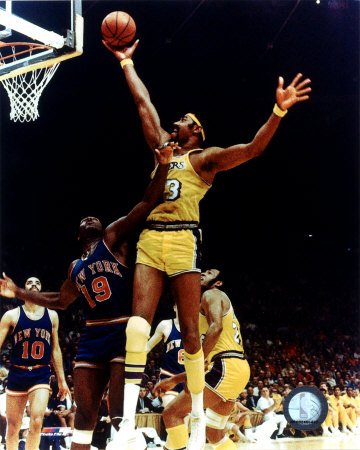 Wilt Chamberlain was traded from the Philadelphia 76ers to the Los Angeles Lakers in 1968. Reportedly, Wilt asked for a trade from the Sixers after winning his 4th (and final) MVP award. The motivation of the request remains a dispute. In the 67-68 season, the 76ers in Wilt's final year went 62-20, losing in the 2nd round of the playoffs to the Boston Celtics. The Lakers went 52-30, losing in the NBA finals. In the 68-69 season, the 76ers without Chamberlain went 55-27, losing in the 1st round of the playoffs. The Lakers, with newly acquired Chamberlain, went 55-27, losing once again in the NBA finals. So the trade did not seem to make much of an immediate impact for either team.
 LeBron James famously left the Cleveland Cavaliers for the Miami Heat as a free agent this past July (2010). He even had a one-hour tv special on ESPN called The Decision where he announced he was "taking his talents to South Beach." This followed the 2009-2010 season where James won his 2nd MVP award of his young career. During the 09-10 season, the Cavs in LeBron's last season there went 61-21, losing in the 2nd round of the playoffs to the Celtics. Miami went 47-35, losing in the 1st round of the playoffs. The immediate impact of James changing teams has yet to be determined.
Two great, hall of fame players leaving their teams after great seasons. I imagine LeBron's decision this summer will have more of an impact than Wilt's did in the Sixties.
Tuesday, August 3, 2010
The 1996 Los Angeles Clippers
The recent death of former NBA player Lorenzen Wright makes one wonder if the 1996 Los Angeles Clippers have been cursed. In the 14 years since 1996, there have been numerous problems in the players lives, including drug use, illnesses, serious injury, and death. This is especially strange when you consider the type of people who become professional basketball players. Individuals must be young, strong, athletic, and generally healthy to make it to the NBA. So let's take a closer look at the rosters of both the 95-96 and 96-97 Clippers teams.
The roster in 95-96: Brent Barry, Terry Dehere, Antonio Harvey, Lamond Murray, Bo Outlaw, Eric Piatkowski, Pooh Richardson, Stanley Roberts, Rodney Rogers, Malik Sealy, Keith Tower, Logan Vander Velden, Loy Vaught and Brian Williams (aka Bison Dele).
The roster in 96-97: Brent Barry, Terry Dehere, Kevin Duckworth, Rich Manning, Darrick Martin, Lamond Murray, Bo Outlaw, Eric Piatkowski, Pooh Richardson, Stanley Roberts, Rodney Rogers, Dwayne Schintzius, Malik Sealy, Loy Vaught, and Lorenzen Wright.
Stanley Roberts
 Roberts missed all but 14 games in the 1993-94 season, then all of the next season, due to an Achilles tendon injury, first in one leg, then the other. After an unassuming 6-game spell with the Rockets, as a member of the 76ers in late 1999, Roberts was banned by the NBA for drug violations.
Rodney Rogers On November 28, 2008, Rogers was involved in a dirt bike crash in rural Vance County north of Raleigh. Rogers hit a ditch while riding through a trail and flipped over his vehicle's handlebars. Rogers is paralyzed from the shoulders down as a result of the accident, and doctors have given him only a 5% chance of ever walking again.
Malik Sealy
 Sealy was killed in St. Louis Park, Minnesota on May 20, 2000. He was driving home from a birthday celebration for teammate and best friend Kevin Garnett in downtown Minneapolis when his SUV was struck by a pickup truck traveling the wrong way down the highway. The truck was driven by 43-year-old Souksangouane Phengsene who survived the accident with head and chest injuries. Neither driver was wearing a seatbelt. Phengsene's airbag deployed, but Sealy's SUV did not have one. Blood tests indicated that at the time of the accident, Phengsene had been driving drunk; his BAC was 0.19%. The legal limit in Minnesota at the time was 0.1%. He pled guilty to a charge of vehicular manslaughter, was given a four-year prison term, and was released from prison in 2003. Sealy was 30 years old.
Bison Dele
Dele is believed to have been murdered at sea by his older brother in 2002. In July 2002, Dele and his girlfriend, Serena Karlan, sailed on the South Pacific Ocean along with skipper Bertrand Saldo on Dele's catamaran, the Hakuna Matata. Dele's brother, Miles Dabord (born Kevin Williams), was the only person involved in the voyage who was seen or heard from after July 8, when the party was in Tahiti. Dele and Karlan had previously kept regular contact with their banks and family members. On July 20, Dabord was by himself when he brought the boat into Tahiti.
On September 5, police used a sting operation organized by Dele's family and friends to detain Dabord in Phoenix, AZ. Dabord had forged his brother's signature in order to buy US$152,000 worth of gold under his brother's name. He had used Dele's passport as identification. Mexican police later found that Dabord had been staying at a hotel in Tijuana, Mexico. Two days before, the Hakuna Matata, which had been registered in Tahiti under another name, was found off the coast of Tahiti with its name plate removed and some possible bullet holes patched. About the same time, Dabord phoned his and Dele's mother, Patricia Phillips, telling her that he would never hurt his brother and that he could not survive in prison.
The FBI became involved in the investigation along with the French authorities and concluded that Dele, Karlan and Saldo were probably killed, and then thrown overboard, by Dabord. Given that the bodies were likely dumped in the middle of the Pacific Ocean, it would be highly unlikely that the three would ever be found. Dabord, the only major source of information regarding the case, intentionally overdosed on insulin and slipped into a coma. On September 27, 2002, he died in a California hospital. After Dabord's suicide, officials did not expect to find much more regarding the case. Dele was 33 years old.
Kevin Duckworth Duckworth died of heart failure on Monday, August 25, 2008 in Gleneden Beach, Oregon. He collapsed in his hotel room, and emergency services were unable to revive him. His death was confirmed by the Lincoln County Sheriff's Office. Duckworth was in town as part of a Trail Blazers group hosting a free kids basketball clinic. An autopsy identified the cause of death as hypertrophic cardiomyopathy with congestive heart failure. Duckworth was 44 years old.
Dwayne Schintzius
In November 2009, Schintzius was diagnosed with leukemia. With a bone marrow donation from his brother Travis, he had bone marrow transplant surgery at the Moffit Cancer Center in Tampa on January 12, 2010. As of February, the surgery was considered a success.
Lorenzen Wright
Wright was last seen alive on July 18, 2010, at around 2 a.m., leaving his ex-wife's house and was reported missing by his family on July 22. His dead body was found July 28 in a wooded area in Memphis by Hacks Cross Road, near Winchester. ABC Channel 24 in Memphis reports that a 911 call was received from Wright's cell phone at 1:00 a.m. on July 19; the caller was speaking with the dispatcher when several gun shots rang out. The case is being investigated as a homicide.
So as you can see, something fishy was happening. Beware of any NBA player that played for the Clippers in 1996.
The roster in 95-96: Brent Barry, Terry Dehere, Antonio Harvey, Lamond Murray, Bo Outlaw, Eric Piatkowski, Pooh Richardson, Stanley Roberts, Rodney Rogers, Malik Sealy, Keith Tower, Logan Vander Velden, Loy Vaught and Brian Williams (aka Bison Dele).
The roster in 96-97: Brent Barry, Terry Dehere, Kevin Duckworth, Rich Manning, Darrick Martin, Lamond Murray, Bo Outlaw, Eric Piatkowski, Pooh Richardson, Stanley Roberts, Rodney Rogers, Dwayne Schintzius, Malik Sealy, Loy Vaught, and Lorenzen Wright.
Stanley Roberts
 Roberts missed all but 14 games in the 1993-94 season, then all of the next season, due to an Achilles tendon injury, first in one leg, then the other. After an unassuming 6-game spell with the Rockets, as a member of the 76ers in late 1999, Roberts was banned by the NBA for drug violations.
Rodney Rogers
 On November 28, 2008, Rogers was involved in a dirt bike crash in rural Vance County north of Raleigh. Rogers hit a ditch while riding through a trail and flipped over his vehicle's handlebars. Rogers is paralyzed from the shoulders down as a result of the accident, and doctors have given him only a 5% chance of ever walking again.
Malik Sealy
 Sealy was killed in St. Louis Park, Minnesota on May 20, 2000. He was driving home from a birthday celebration for teammate and best friend Kevin Garnett in downtown Minneapolis when his SUV was struck by a pickup truck traveling the wrong way down the highway. The truck was driven by 43-year-old Souksangouane Phengsene who survived the accident with head and chest injuries. Neither driver was wearing a seatbelt. Phengsene's airbag deployed, but Sealy's SUV did not have one. Blood tests indicated that at the time of the accident, Phengsene had been driving drunk; his BAC was 0.19%. The legal limit in Minnesota at the time was 0.1%. He pled guilty to a charge of vehicular manslaughter, was given a four-year prison term, and was released from prison in 2003. Sealy was 30 years old.
Bison Dele
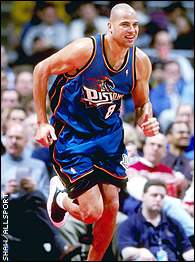
Dele is believed to have been murdered at sea by his older brother in 2002. In July 2002, Dele and his girlfriend, Serena Karlan, sailed on the South Pacific Ocean along with skipper Bertrand Saldo on Dele's catamaran, the Hakuna Matata. Dele's brother, Miles Dabord (born Kevin Williams), was the only person involved in the voyage who was seen or heard from after July 8, when the party was in Tahiti. Dele and Karlan had previously kept regular contact with their banks and family members. On July 20, Dabord was by himself when he brought the boat into Tahiti.
On September 5, police used a sting operation organized by Dele's family and friends to detain Dabord in Phoenix, AZ. Dabord had forged his brother's signature in order to buy US$152,000 worth of gold under his brother's name. He had used Dele's passport as identification. Mexican police later found that Dabord had been staying at a hotel in Tijuana, Mexico. Two days before, the Hakuna Matata, which had been registered in Tahiti under another name, was found off the coast of Tahiti with its name plate removed and some possible bullet holes patched. About the same time, Dabord phoned his and Dele's mother, Patricia Phillips, telling her that he would never hurt his brother and that he could not survive in prison.
The FBI became involved in the investigation along with the French authorities and concluded that Dele, Karlan and Saldo were probably killed, and then thrown overboard, by Dabord. Given that the bodies were likely dumped in the middle of the Pacific Ocean, it would be highly unlikely that the three would ever be found. Dabord, the only major source of information regarding the case, intentionally overdosed on insulin and slipped into a coma. On September 27, 2002, he died in a California hospital. After Dabord's suicide, officials did not expect to find much more regarding the case. Dele was 33 years old.
Kevin Duckworth
 Duckworth died of heart failure on Monday, August 25, 2008 in Gleneden Beach, Oregon. He collapsed in his hotel room, and emergency services were unable to revive him. His death was confirmed by the Lincoln County Sheriff's Office. Duckworth was in town as part of a Trail Blazers group hosting a free kids basketball clinic. An autopsy identified the cause of death as hypertrophic cardiomyopathy with congestive heart failure. Duckworth was 44 years old.
Dwayne Schintzius

In November 2009, Schintzius was diagnosed with leukemia. With a bone marrow donation from his brother Travis, he had bone marrow transplant surgery at the Moffit Cancer Center in Tampa on January 12, 2010. As of February, the surgery was considered a success.
Lorenzen Wright

Wright was last seen alive on July 18, 2010, at around 2 a.m., leaving his ex-wife's house and was reported missing by his family on July 22. His dead body was found July 28 in a wooded area in Memphis by Hacks Cross Road, near Winchester. ABC Channel 24 in Memphis reports that a 911 call was received from Wright's cell phone at 1:00 a.m. on July 19; the caller was speaking with the dispatcher when several gun shots rang out. The case is being investigated as a homicide.
So as you can see, something fishy was happening. Beware of any NBA player that played for the Clippers in 1996.
Subscribe to:
Posts (Atom)